
Construction Staffing vs Direct Hiring: Which Is Right for Your Project?
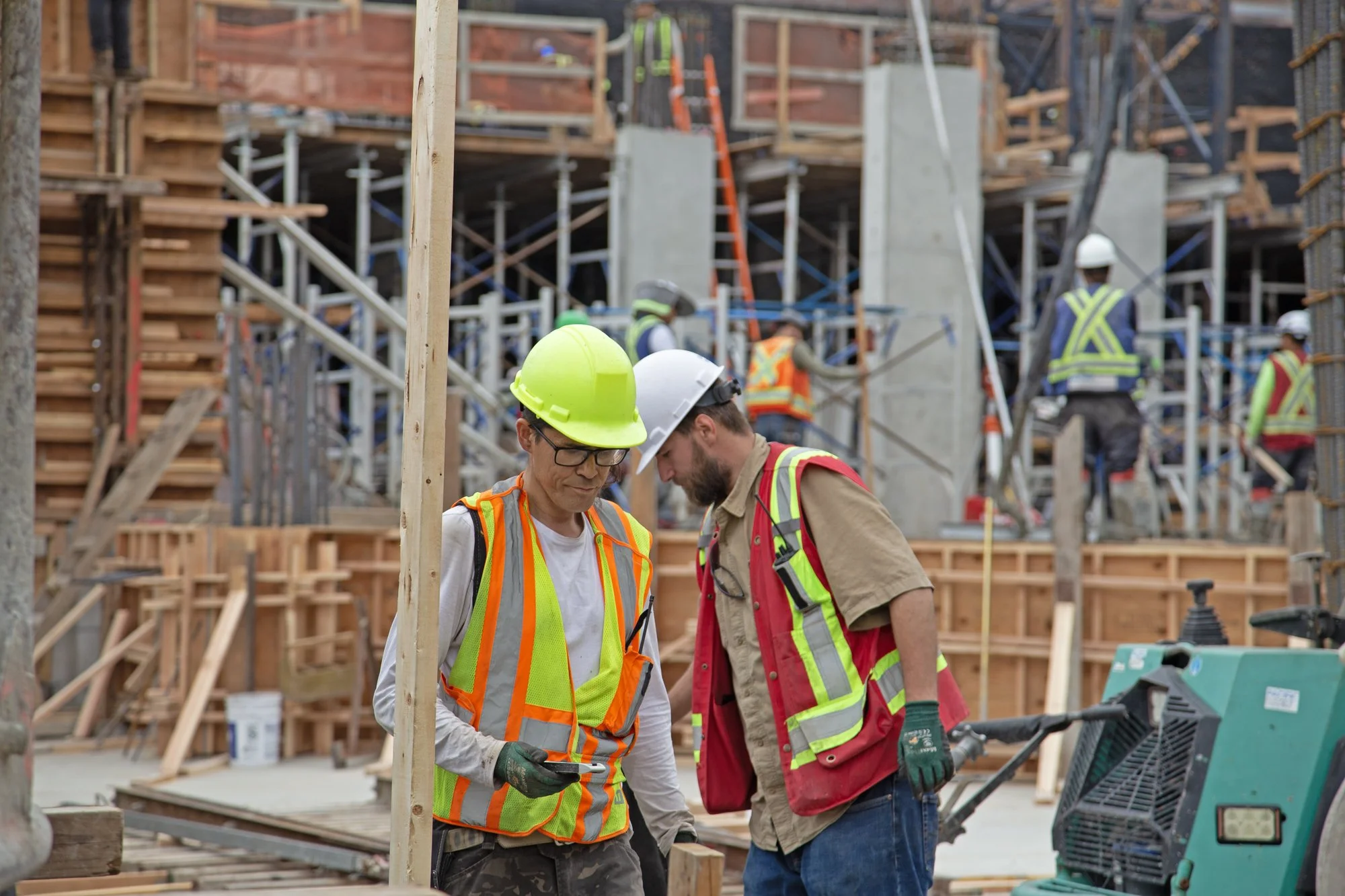
In the construction industry, timing is everything. Deadlines are tight, labour demands shift quickly, and having the right crew in place can determine whether a project stays on track or falls behind. One of the most important decisions employers face is how to build that workforce: through direct hiring, or by partnering with a staffing agency.
While both approaches have their advantages, the right choice often depends on your project scope, timeline, and long-term workforce strategy. Understanding the differences between construction staffing and direct hiring can help you make more informed decisions and avoid costly delays.
What Is Direct Hiring?
Direct hiring refers to the traditional process of recruiting and employing workers internally. This includes posting job listings, reviewing resumes, conducting interviews, and onboarding employees onto your payroll.
For construction companies, direct hiring is often used to build a core team of full-time workers who are consistently available across projects. This approach can offer greater control over training, company culture, and long-term workforce development.
However, direct hiring can be time-consuming. Filling roles may take weeks, especially when skilled trades are in high demand. In addition to recruitment, employers are also responsible for payroll, benefits, compliance, and ongoing employee management.
What is Construction Staffing?
Construction staffing involves working with an external agency that provides pre-screened workers on demand. These workers can be deployed quickly to job sites, often within 24 to 72 hours, depending on the role and availability.
Staffing agencies like EMBERS handle much of the administrative burden, including recruitment, vetting, payroll, and compliance. This allows construction companies to focus on operations while still accessing a reliable workforce.
Staffing is especially useful for short-term projects, seasonal demand, or situations where workforce needs can change rapidly.
Key Differences Between the Two Approaches
The most noticeable difference between construction staffing and direct hiring is speed. Staffing agencies are designed to respond quickly, often filling roles within days, while direct hiring typically requires a longer process.
Flexibility is another major factor. Staffing allows companies to scale their workforce up or down based on project needs without long-term commitments. Direct hiring, on the other hand, is better suited for maintaining a stable, consistent team over time.
Cost structure also differs. While staffing agencies charge a fee, they can reduce indirect costs related to recruitment, onboarding, and HR management. Direct hiring may appear more cost-effective upfront, but it often involves hidden costs in time, administration, and risk.
When Direct Hiring Makes Sense
Direct hiring is often the better option when building a long-term team. If your company has ongoing projects and a consistent need for the same roles, investing in full-time employees can improve continuity and team cohesion.
It is also ideal for leadership roles or highly specialized positions where long-term commitment and deep integration into the company are important. In these cases, the time spent on recruitment can be justified by the long-term value of the hire.
When Construction Staffing Is the Better Choice
Construction staffing is particularly valuable when speed and flexibility are priorities. If a project suddenly scales up or faces unexpected labour shortages, a staffing agency can provide workers quickly to keep things moving.
It is also a strong solution for short-term or project-based work, where hiring full-time employees may not be practical. Seasonal demand, tight deadlines, and fluctuating workloads all make staffing a more efficient option.
Additionally, staffing reduces administrative strain. With payroll, compliance, and worker verification handled externally, companies can focus on project execution rather than HR processes.
A Practical Scenario
Imagine a contractor in Calgary who secures a new project with a fast-approaching deadline. They need to add 10 general labourers within the week to stay on schedule.
With direct hiring, the process would involve advertising roles, screening candidates, and coordinating onboarding, which could take several weeks. By that time, the project may already be behind.
With a staffing agency, those same roles could be filled within a couple of days, allowing work to continue without interruption. Once the project is complete, the workforce can be scaled back without long-term obligations.
Finding the Right Balance
For many construction companies, the most effective approach is not choosing one method over the other, but combining both. A core team of direct hires provides stability and leadership, while staffing agencies offer the flexibility to adapt to changing demands.
This hybrid model allows businesses to remain agile while maintaining a strong foundation. It ensures that projects are properly staffed without overextending resources during slower periods.
Construction staffing and direct hiring each serve an important purpose, and the right choice depends on your specific needs. Direct hiring offers long-term stability and control, while staffing provides speed, flexibility, and reduced administrative burden.
In an industry where delays can be costly, having access to both options gives companies a competitive edge. Whether you are building a core team or scaling up for your next project, understanding these approaches can help you make smarter, more strategic workforce decisions.
Looking for flexible staffing support? Connect with EMBERS Staffing to keep your projects moving.
Searching for opportunities in construction? Explore current openings and get to work faster.